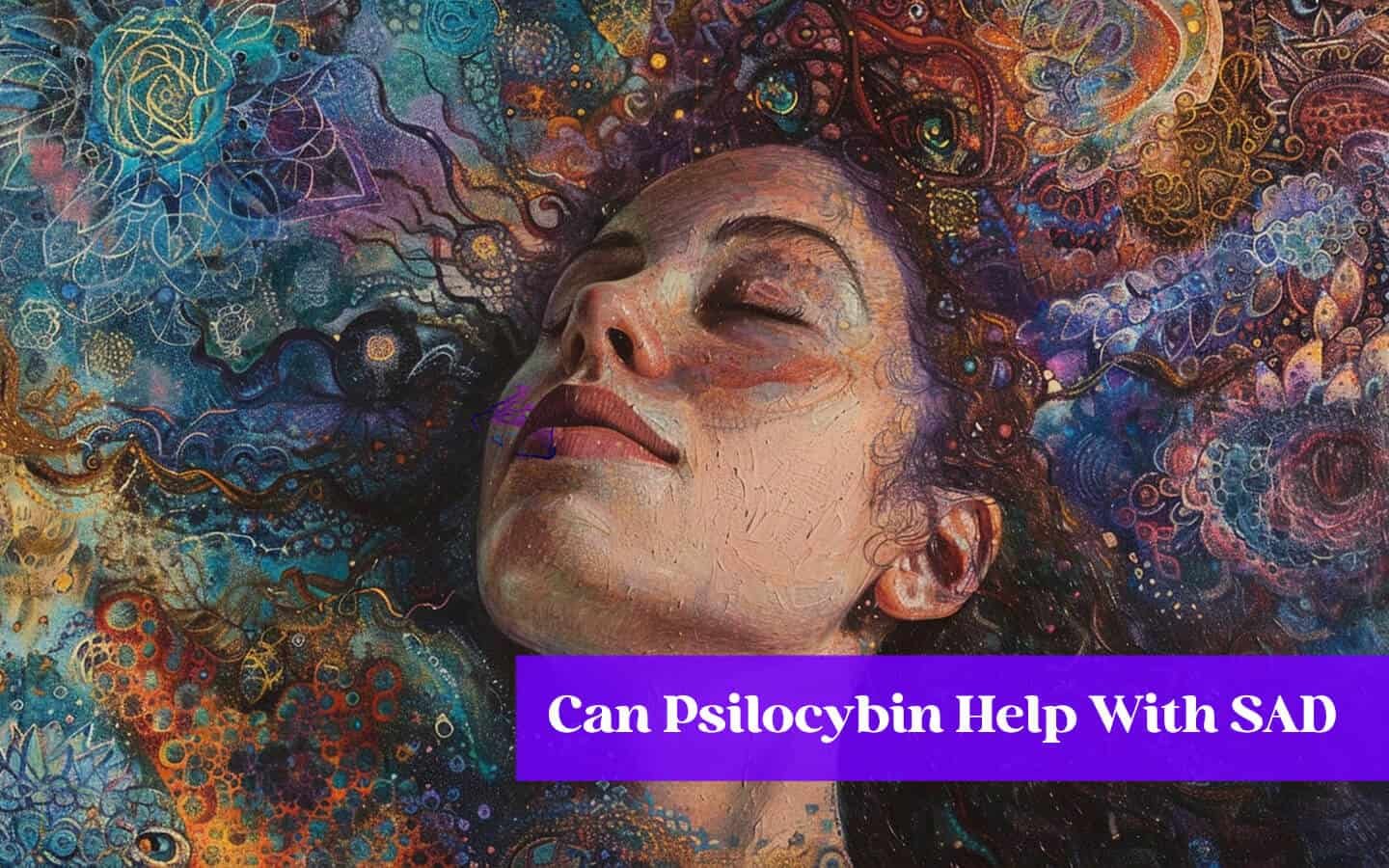
Quick Answer: Early research suggests psilocybin may positively affect mood and emotional regulation — areas linked to Seasonal Affective Disorder (SAD). While studies are still emerging, gentle microdosing or low-dose experiences, combined with healthy winter habits, may help ease the edges of the season.
Let’s Dive In: Do Shrooms Help with SAD
Seasonal Affective Disorder — or simply the winter blues — affects millions of Canadians each year. Shorter days, long nights, and limited sunlight can drain motivation and colour from everyday life.
While therapy, exercise, and light exposure remain the most established treatments, psilocybin has quietly entered the conversation. Researchers are exploring how this natural compound might interact with mood, emotion, and connection — three of the very areas SAD tends to dull.
1. What We Know About SAD
SAD is thought to stem from reduced daylight exposure, which disrupts serotonin and melatonin balance. Common symptoms include:
- Low mood and energy
- Oversleeping or irregular sleep patterns
- Cravings for carbs and sugar
- Difficulty focusing
- Feeling disconnected or unmotivated
It typically fades as spring light returns — but for some, the stretch from November to March can feel especially long.
2. Psilocybin and Mood: What the Research Suggests
Modern studies are showing that psilocybin — the active compound in magic mushrooms — can influence brain activity in ways that may support emotional flexibility.
Early findings indicate:
- Temporary boosts in serotonin receptor activity (5-HT2A), which may lift mood
- Increased neuroplasticity, helping the brain “reset” unhelpful thought loops
- Reduced rumination, encouraging a broader emotional perspective
For people who feel stuck in repetitive negative thought patterns during the winter, this shift can feel like a gentle opening — a reminder that light still exists, even when the days are short.
3. Microdosing and the Winter Blues
Microdosing — taking roughly one-tenth of a typical dose — has become a practical approach for many during the darker months. While evidence is mostly anecdotal, users often describe:
- Brighter mood
- Clearer focus
- A subtle sense of connection or creativity
- Fewer dips in daily motivation
Because SAD often comes with low drive, these small lifts can make everyday tasks feel more manageable.
Curious how microdosing works?
Read next: Microdosing Mushrooms: Effects, Benefits, and Guidelines
4. A Word on Full Sessions and Emotional Reflection
For some, a guided or intentional full-dose experience during the winter can help re-anchor perspective.
But this isn’t for everyone — and it requires safe conditions, trusted company, and time for integration afterward.
If you’re exploring psilocybin for emotional wellness, start small and pay attention to your environment.
- Warm, quiet lighting
- Soft blankets
- Grounding music
- Time to rest and reflect the next day
Learn more: How to Prepare for a Psychedelic Journey
5. Pairing Psilocybin With Proven Winter Habits
Psilocybin isn’t a shortcut — it’s a complement. It works best when it supports what already helps you feel balanced.
Combine small doses with:
- Light therapy in the morning
- Regular outdoor movement, even brief walks
- Consistent sleep and meal times
- Connection — phone calls, dinners, small rituals with others
- Journaling or creative expression after sessions
These small acts strengthen the same neural pathways psilocybin activates.
6. When to Seek Professional Guidance
If winter brings heavy or persistent sadness, reach out for support. Therapists trained in psychedelic integration or mood regulation can help you find a balanced approach.
Psilocybin isn’t yet an approved treatment for SAD, and self-directed use can carry emotional intensity.
The most powerful step is to stay curious, not desperate — to move gently toward healing rather than chase it.
Final Thought
Winter slows everything down — including us.
Psilocybin can help remind you that even in stillness, life is moving beneath the surface.
Whether through a few mindful microdoses, reflective evenings, or a simple return to light, the aim is the same:
to feel connected again — to yourself, to others, and to the quiet beauty of the season.