Psilocybin, the active compound in magic mushrooms, has long been revered for its mind-expanding effects. But beyond the well-known psychedelic experiences, recent research reveals a deeper connection between psilocybin and the brain’s ability to rewire itself, a process known as neuroplasticity. Let’s dive into how psilocybin interacts with the brain to boost neuroplasticity and what that means for mental health, cognition, and personal growth.
What is Neuroplasticity?
Neuroplasticity is the brain’s ability to adapt by forming new neural connections throughout life. This adaptability allows the brain to change in response to experiences, learning, and even recovery from injury. Neuroplasticity is vital for cognitive functions like memory, learning, and emotional resilience, enabling us to adapt to new challenges and overcome obstacles.
In a healthy brain, neuroplasticity is constantly occurring. However, factors such as aging, trauma, and mental health conditions like depression and anxiety can reduce neuroplasticity. This is where psilocybin shows potential to make a positive impact.
How Does Psilocybin Enhance Neuroplasticity?
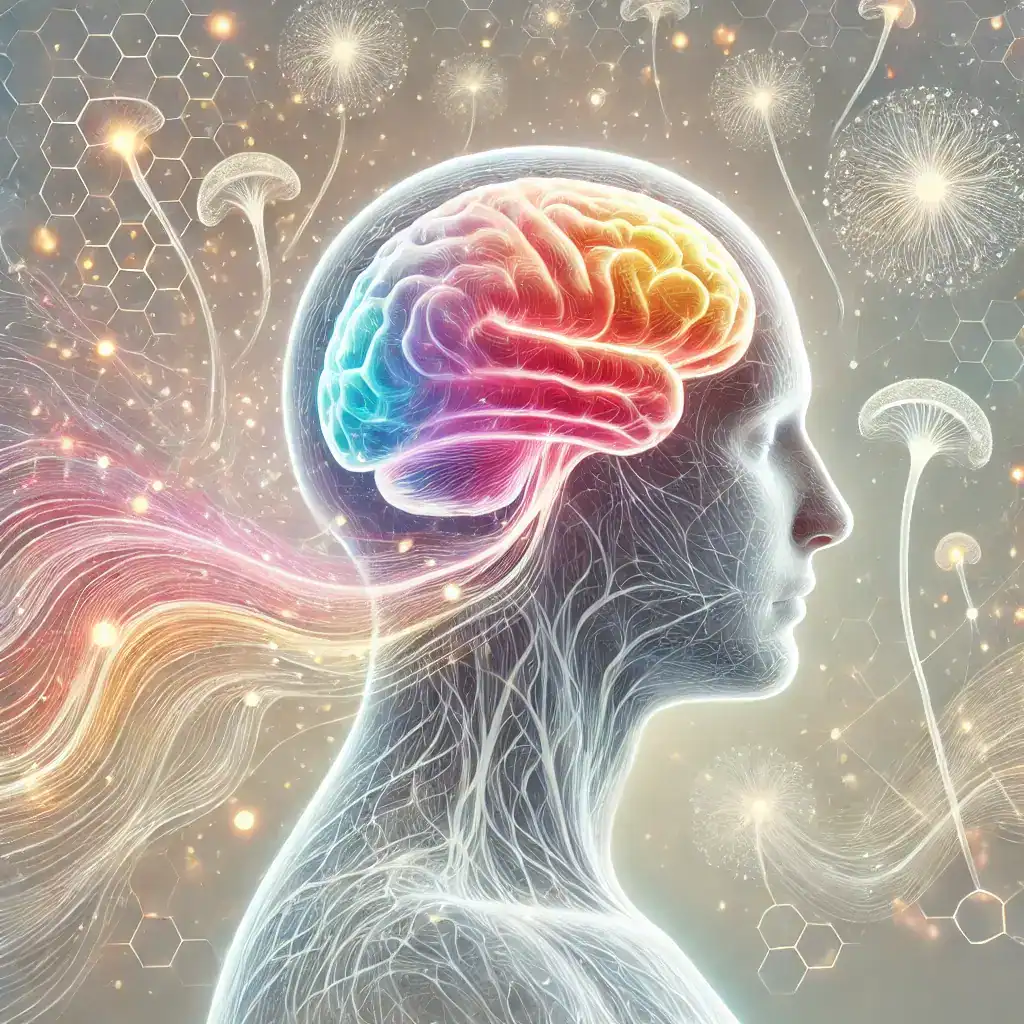
When ingested, psilocybin converts to psilocin, a compound that interacts with serotonin receptors in the brain, especially the 5-HT2A receptor. This interaction stimulates neural activity in regions responsible for cognition, emotional regulation, and self-perception.
One of the key effects of psilocybin is its ability to increase connectivity between different brain areas. By activating the 5-HT2A receptor, psilocybin enhances synaptogenesis (the formation of new synapses), helping to create new connections between neurons. Research has shown that this connectivity leads to increased neuroplasticity, allowing the brain to reconfigure itself in response to new experiences and challenges.
The Brain-Derived Neurotrophic Factor (BDNF) Connection
An important protein associated with neuroplasticity is Brain-Derived Neurotrophic Factor (BDNF). BDNF plays a critical role in brain health, supporting the survival and growth of neurons and promoting synaptic plasticity (the brain’s ability to strengthen or weaken synaptic connections). Studies have shown that psilocybin can increase levels of BDNF, particularly in areas linked to learning and memory.
By boosting BDNF, psilocybin helps the brain form and strengthen new neural connections, which can lead to improved cognition, learning, and emotional resilience. Higher BDNF levels are also linked to better mental health outcomes, as they can help alleviate symptoms of mood disorders like depression and anxiety.
The Default Mode Network (DMN) and Ego Dissolution
Another fascinating effect of psilocybin on the brain is its impact on the Default Mode Network (DMN). The DMN is a group of interconnected brain regions associated with self-referential thinking, or “ego,” and plays a role in mind-wandering, self-reflection, and rumination.
In conditions like depression and anxiety, DMN activity can become rigid, leading to repetitive thought patterns and negative self-perceptions. Psilocybin disrupts this rigidity by reducing DMN activity, a phenomenon often described as ego dissolution. By quieting the DMN, psilocybin allows for a greater flow of information between brain regions, encouraging new thought patterns and reducing self-centered rumination.
This “decentering” effect is why many users report feelings of unity, interconnectedness, and freedom from habitual thinking during a psilocybin experience. The decrease in DMN activity promotes neuroplasticity by allowing the brain to break free from restrictive patterns, enabling a more flexible and adaptive mind.
Neuroplasticity and Mental Health: How Psilocybin Offers Hope
The potential for psilocybin to enhance neuroplasticity has promising implications for mental health. By promoting new connections and facilitating flexibility in thought patterns, psilocybin can help individuals move beyond habitual negative thinking, a hallmark of conditions like depression and anxiety.
Research suggests that psilocybin may be particularly helpful for:
- Depression: By promoting neuroplasticity, psilocybin helps break down rigid thought patterns, providing relief from depressive symptoms.
- Anxiety: Increased neuroplasticity supports more adaptive responses to stress and reduces symptoms of anxiety.
- Addiction: Enhanced neuroplasticity allows individuals to adopt new behaviors and thought processes, aiding in the recovery from addictive patterns.
- PTSD and Trauma: Psilocybin’s effects on BDNF and the DMN create a more open, receptive mental state, enabling users to process traumatic memories and experiences in a new way.
These therapeutic benefits make psilocybin an exciting area of research in psychiatry, and it is now being studied in reputable institutions for its potential as an alternative treatment for mental health conditions.
The REBUS Model and Entropic Brain Theory
To explain how psilocybin affects neuroplasticity, researchers have developed models such as REBUS (Relaxed Beliefs Under Psychedelics) and Entropic Brain Theory. These models suggest that psychedelics relax the brain’s usual information-processing rules, allowing for a more fluid and less restrictive mental state.
- REBUS Model: Suggests that psychedelics allow the brain to bypass deep-seated beliefs or mental patterns, helping to create new perspectives and insights.
- Entropic Brain Theory: Argues that psychedelics increase the brain’s entropy (a measure of disorder or flexibility), allowing it to move out of rigid states, which is beneficial for mental health.
Through these mechanisms, psilocybin enables the brain to explore new patterns, facilitating growth and healing by disrupting rigid thought processes and promoting adaptive flexibility.
Practical Takeaways: Enhancing Neuroplasticity Through Psilocybin
For those looking to use psilocybin to promote neuroplasticity, it’s essential to approach the experience mindfully. Here are a few tips to maximize its neuroplastic benefits:
- Set Clear Intentions: Identifying specific goals or areas for growth can guide the psilocybin experience, helping you direct the increased neuroplasticity toward productive outcomes.
- Use Journaling: Writing down insights during or after a psilocybin experience can help solidify new connections in the brain, making it easier to retain positive changes.
- Create a Supportive Environment: A comfortable, safe setting and positive company can encourage a relaxed mindset, promoting the brain’s adaptability.
- Practice Integration: After the experience, integrate insights into daily life by setting small goals based on your revelations and new perspectives.
For more detailed tips on preparing for and integrating a psilocybin experience, check out our guide on How to Prepare for a Psychedelic Journey.
The Future of Psilocybin Research and Neuroplasticity
The link between psilocybin and neuroplasticity opens up exciting possibilities for mental health treatment. Studies from institutions like Johns Hopkins and Imperial College London are paving the way for psilocybin-assisted therapy, where guided sessions with trained therapists may soon become an accepted part of mental health treatment.
As more research confirms the neuroplastic potential of psilocybin, we may see a paradigm shift in how conditions like depression, anxiety, and addiction are treated. With psilocybin’s natural ability to open the mind and reconfigure thought patterns, it holds tremendous promise for anyone looking to overcome mental health challenges and embrace a more adaptive, resilient mindset.
Understanding psilocybin’s role in neuroplasticity underscores its potential not only as a psychedelic but as a powerful tool for mental health and cognitive growth. If you’re curious about exploring psilocybin for personal development, visit our shop to browse our selection of high-quality products.